
In the age of omnipresent social media and overexposure, some public figures choose to stay out of the spotlight. These individuals, although well-known, prefer to lead a discreet life, away from scandals and the limelight. Their choice to maintain a certain reserve inspires admiration from those who see them as models of sobriety and elegance.
This approach stands in stark contrast to that of many current celebrities, who share every aspect of their lives with their fans. For these discreet personalities, keeping an element of mystery becomes a valuable asset in a world where intimacy is often sacrificed.
The Reasons for Public Figures’ Discretion
To understand this discretion, it is essential to examine the deep motivations that drive these public figures. The first reason often lies in the protection of their privacy. In a world where every gesture, every word can be scrutinized, analyzed, and twisted, preserving an intimate space becomes a necessity.
The respect for image rights and freedom of expression plays a fundamental role. Public figures, aware of the potential infringements on their privacy, often opt for discretion to avoid media traps. This caution is all the more justified in a context where the boundaries between information and intrusion are often blurred.
Some figures, like Salman Rushdie, also prefer to protect themselves from the extreme consequences of their writings. The threat of attacks, personal or familial repercussions encourages a strategic management of their visibility. Similarly, François Mitterrand, advised by Jacques Pilhan, knew how to master the art of discretion to preserve his image and political influence.
Discretion can also be a response to professional demands. Authors like Paul Ricœur, who develop the hypothesis of narrative identity, or Mauro Wolf, who analyzes the media as collective symbolic intermediaries, often choose to stay away from the spotlight to focus on their intellectual work. The married life of Carole Barjon perfectly illustrates this tension between public and private life, a delicate balance to maintain to avoid media excesses. 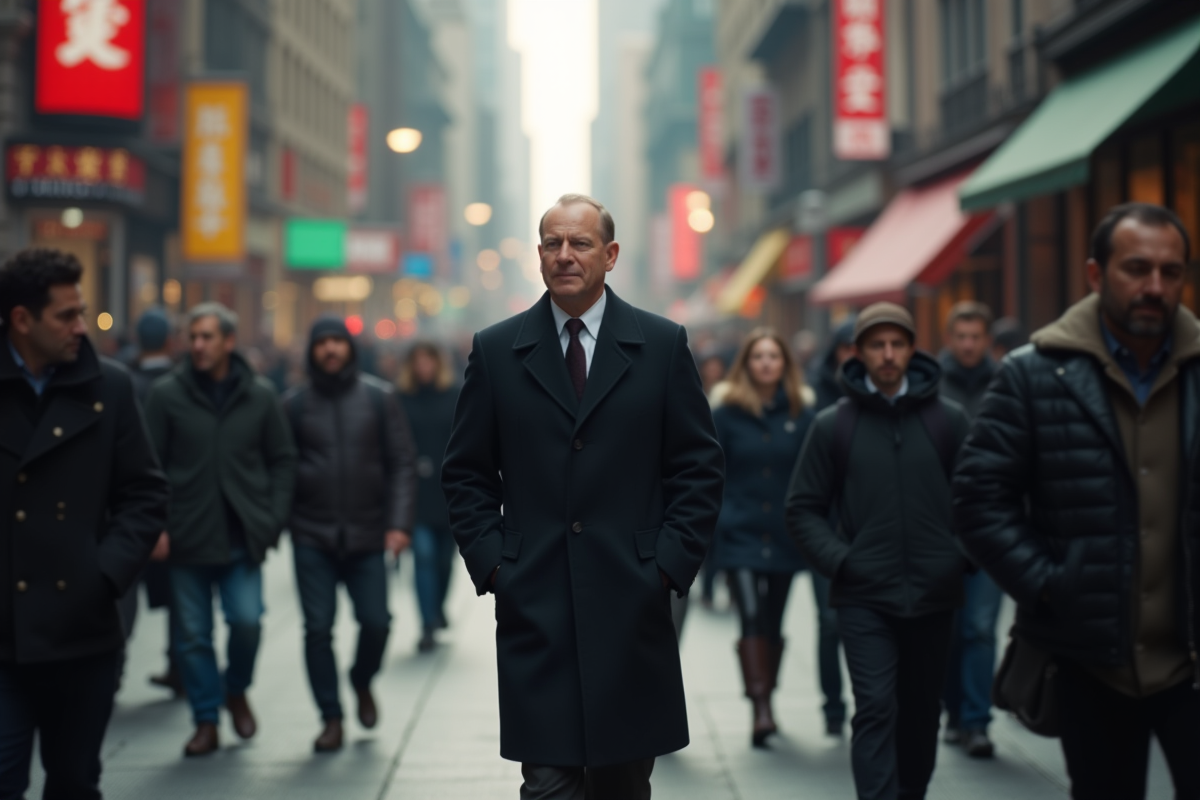
The Impacts of Discretion on Their Career and Image
The discretion of certain public figures does not come without consequences for their career and image. By opting for reduced visibility, these figures often manage to control their media narrative. This helps limit misinterpretations or distortions of their statements in the public space.
Take the example of François Mitterrand, whose communication strategy, orchestrated by Jacques Pilhan, helped build an image of a mysterious and charismatic president. This mastery of image contributed to enhancing his political aura, even though it also led to criticism regarding a lack of transparency.
The impact on the career can also translate into a certain preservation of authority. By staying away from media controversies, these personalities avoid situations that could potentially harm their credibility. Paul Ricœur, for example, was able to focus on his philosophical work without being distracted by media turmoil, thus reinforcing his status as a respected thinker.
However, this discretion can sometimes be perceived as distance or a lack of connection with the public. Journalists and media analysts, like Philippe Hamon and Vincent Jouve, observe that this strategy can create a perception of coldness or elitism, harming the popularity of these figures.
The management of discretion appears as a balancing act, between protecting privacy and the need to maintain a connection with the public. Personalities must navigate carefully to leverage the advantages of discretion while avoiding its pitfalls.