
When it comes to cybersecurity, authentication is among the first lines of defense. Microsoft, with its widely used solutions, offers various types of authentication links to protect data and users. Understanding these mechanisms is essential to ensure the security of sensitive information.
Microsoft’s authentication links include methods such as two-factor authentication, complex passwords, and digital certificates. These tools are integrated into Microsoft services like Azure, Office 365, and Windows. By mastering these concepts, businesses can strengthen their cybersecurity and reduce the risks of hacking.
How Microsoft Authentication Links Work
Microsoft offers a range of solutions to enhance connection security. Among these, multi-factor authentication (MFA) and the Microsoft Authenticator app play a central role. This app, available on Android, iOS, and Windows, provides an additional layer of security by using secure tokens and encrypted communication.
Multi-factor authentication combines several methods to verify a user’s identity. Beyond the traditional password, it can include:
- Fingerprint
- Facial recognition
- PIN code
- Hardware security keys following the FIDO2 standard
Microsoft Authenticator also allows for passwordless login. By generating time-based security codes, the app ensures two-step verification, which is essential for securing business and school accounts.
The page https://aka.ms/remoteconnect, for example, is a fundamental link for remote authentication. It allows users to log into their accounts from different devices, ensuring optimal security. Follow the detailed instructions on the page to understand how to set up and use this feature.
Microsoft Authenticator also supports single sign-on (SSO), simplifying access to multiple applications with a single authentication. This method reduces the risks associated with managing multiple passwords while providing a smooth and secure user experience.
By integrating these technologies, businesses and institutions can effectively protect their sensitive information and prevent unauthorized access.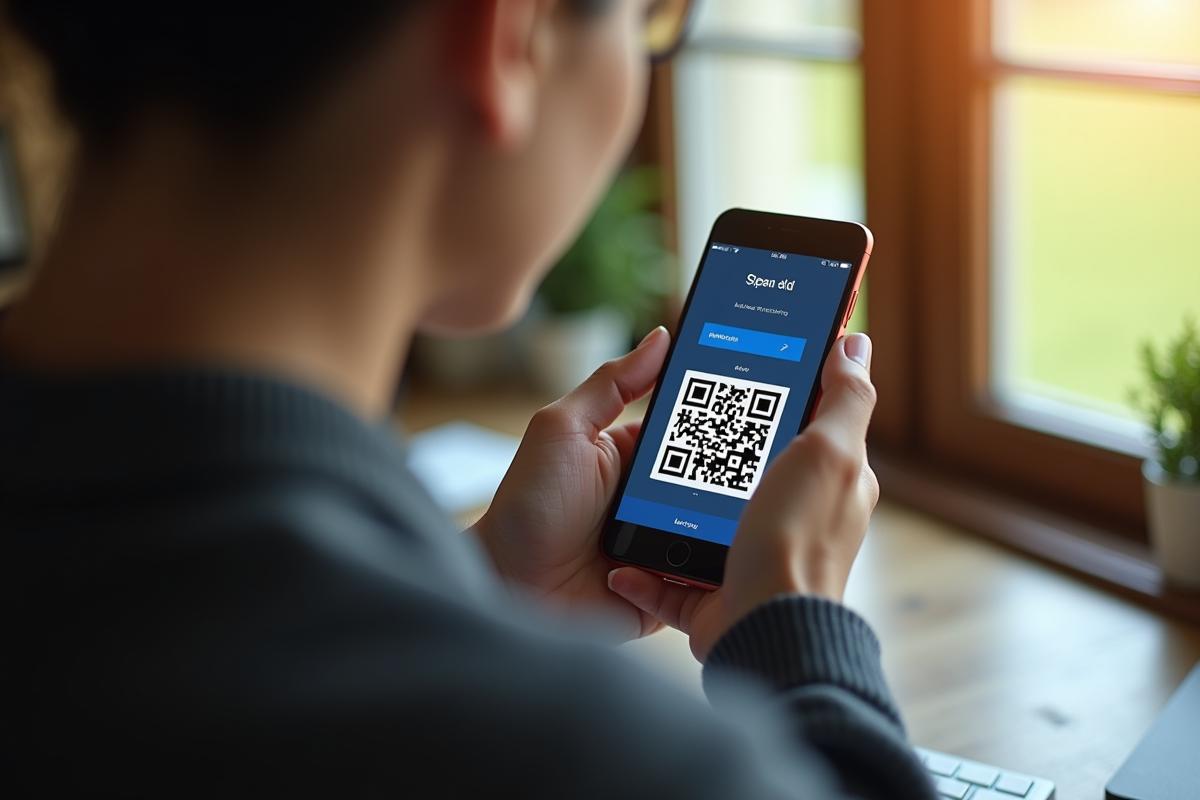
Best Practices for Securing Your Connections
To enhance the security of your accounts, start by enabling two-factor authentication (2FA). This method requires an additional verification step after entering your password, thereby reducing the risks of unauthorized access.
- Select the most robust authentication methods such as fingerprint or facial recognition. These options provide an additional layer of physical security.
- Use hardware security keys compliant with the FIDO2 standard. These devices protect your accounts even if your password is compromised.
Single sign-on (SSO) is another recommended practice. By allowing users to access multiple applications with a single authentication, this method simplifies credential management while maintaining a high level of security.
Microsoft Authenticator also allows you to generate recovery codes and backup codes. These tools are essential for regaining access to your accounts in case you lose your primary device.
Regularly monitor your login activity. Login logs can reveal suspicious access attempts, allowing you to act quickly to secure your accounts.
Make sure to regularly update your security information. An additional phone number or email address can serve as a verification method in case of forgotten passwords or loss of access to your authentication app.
By applying these best practices, you can effectively protect your sensitive information and enhance the security of your connections.