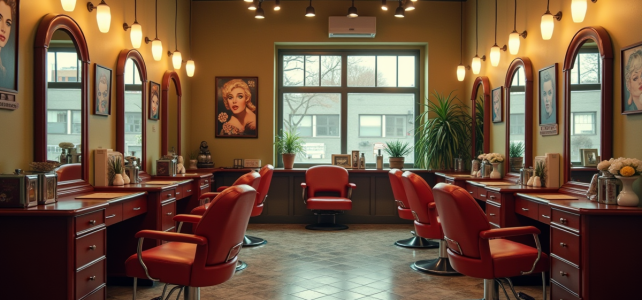
Beauty standards are constantly evolving, influencing our perceptions and behaviors. The 1950s saw the rise of Marilyn Monroe, embodying a voluptuous and sensual femininity, in contrast to the androgynous silhouettes of the 1920s. The 1980s, on the other hand, were marked by athletic and muscular bodies, popularized by icons like Jane Fonda and her famous fitness videos.
Today, social media amplifies these trends by disseminating retouched images and perfect bodies, fueling an incessant quest for perfection. Numbers, whether related to ideal measurements or Instagram followers, continue to dictate beauty standards, thus shaping entire generations.
Evolution of Beauty Standards Through the Ages
Beauty standards have always reflected societal and cultural evolutions. In the 1960s, Twiggy’s slender silhouette radically changed perceptions of femininity, contrasting with the generous curves of previous decades. This trend continued into the 1970s with models like Jean Shrimpton, where extreme thinness became the new ideal.
The Era of Supermodels
The 1980s and 1990s marked the golden age of supermodels. Iconic figures such as Cindy Crawford, Naomi Campbell, and Claudia Schiffer established beauty standards based on specific measurements. During those years, the famous ’90-60-90′ became the norm, defining the ideal proportions for models of the time. These numbers represented the bust, waist, and hip measurements, serving as an absolute reference in the fashion world.
- 1960s: Twiggy and the slender silhouette
- 1970s: Jean Shrimpton and extreme thinness
- 1980s-1990s: The golden age of supermodels with the ’90-60-90′
The Impact of Social Media
With the advent of social media, beauty standards are undergoing rapid transformation. Influencers and celebrities share retouched images, amplifying unrealistic expectations. Filters and retouching apps alter the perception of beauty, creating contemporary icons that dictate new aesthetic criteria.
| Era | Beauty Standard |
|---|---|
| 1960s | Slender silhouette |
| 1980s-1990s | ’90-60-90′ |
| Current Era | Social media and retouched images |
The constant redefinition of beauty standards, influenced by media and technology, underscores the evolving and subjective nature of these standards.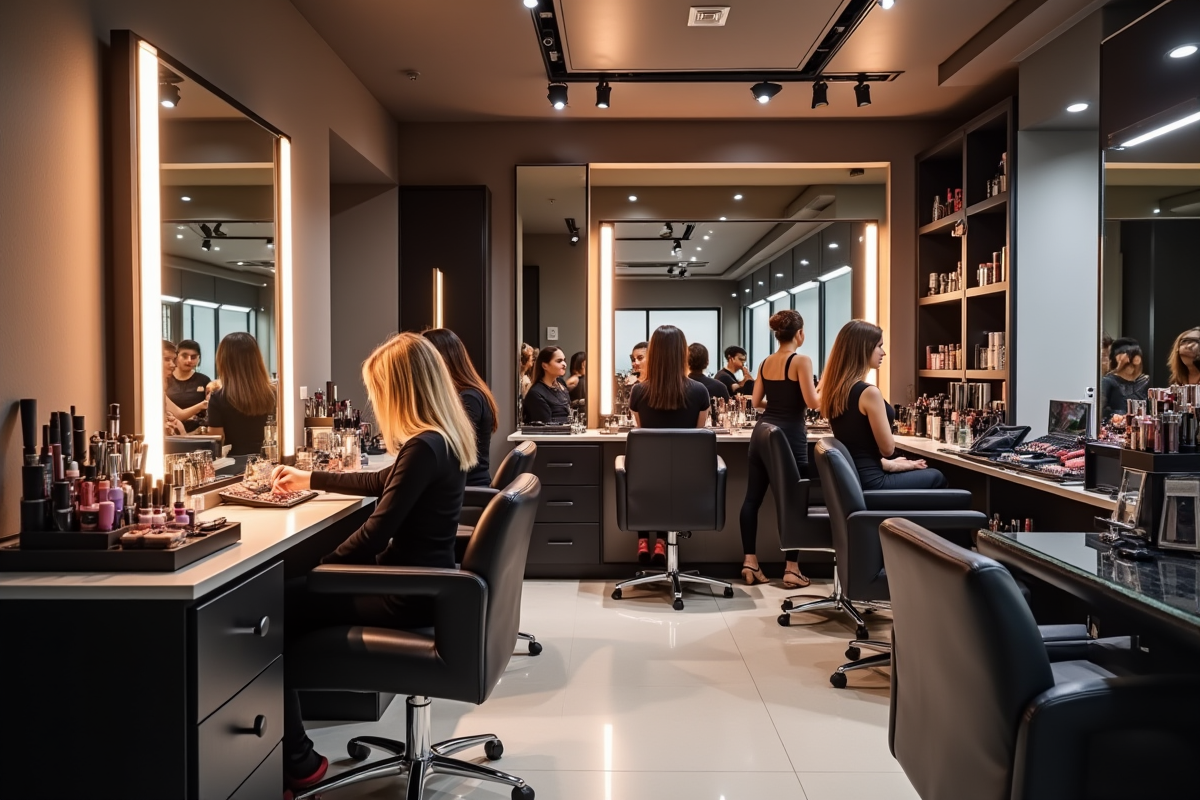
Key Figures in the Beauty Industry
The beauty industry is marked by figures that influence consumer perceptions and behaviors. In 2022, the global cosmetics market is estimated to be over 500 billion dollars, a spectacular growth compared to previous years. This expansion is largely driven by increased demand for skincare, makeup, and hair care products.
The Most Dynamic Segments
Some segments of the industry are experiencing particularly rapid growth. The skincare market alone accounts for about 40% of total revenue. Anti-aging products and serums are seeing growing popularity, reflecting a universal concern for preserving youth.
- Skincare: 40% of the global market
- Makeup: 20% of the market
- Hair care: 15% of the market
The Influence of Social Media
Social media plays a major role in this dynamic. In 2021, over 70% of beauty product consumers reported being influenced by recommendations seen on platforms like Instagram and YouTube. Makeup tutorials and product reviews are abundant, transforming ordinary individuals into influential beauty icons.
The Diversity of Standards
The quest for universal beauty tends to fade in the face of a new reality: diversity. Brands like Fenty Beauty, with its 40 shades of foundation, reflect a changing industry that seeks to represent all skin tones and body types. This evolution is welcomed by both consumers and industry experts.
These figures and trends illustrate a beauty industry in perpetual evolution, marked by profound changes and multiple influences.