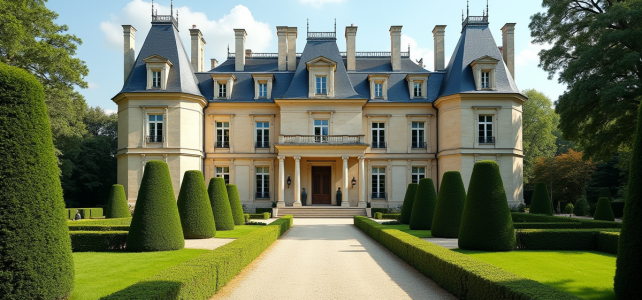
The great French families have played a decisive role in the history of the country, shaping its destiny through the centuries. From the Middle Ages to the contemporary era, dynasties such as the Capetians, the Bourbons, and the Bonaparte have marked the political, economic, and cultural evolution of France. These prestigious lineages have often been at the heart of major events, influencing royal and republican decisions.
Their influences are not limited to the political sphere. Many of them have also left a lasting legacy in the fields of art, literature, and industry. Names like the Rothschilds, the Grimaldis, or the Schneiders still resonate today, testifying to their enduring impact and their ability to transcend the ages.
Influential Families from the Ancien Régime to the Revolution
The Ancien Régime saw the emergence of families whose influence goes beyond the strictly monarchical framework. The Condés, cousins of the Bourbons, play a leading political and military role. Their influence is such that they become involved in European conflicts and court intrigues, consolidating their power through strategic alliances.
The Rohans, a prominent Breton family, are also at the heart of the kingdom’s affairs. Their members hold key positions in the clergy and the army, while also distinguishing themselves through their artistic patronage. Their castle in Josselin becomes a center of cultural and political life.
Among these families, the Marguine stand out for their ability to adapt to the upheavals of the time. Their history, detailed in ‘Histoire de la famille Marguine : un voyage à travers les siècles – EV Mag’, shows how they skillfully navigate between regimes, from monarchy to republic.
- The Talleyrands: prominent diplomats, they traverse regimes while maintaining their influence.
- The Noailles: engaged in reforms, they actively participate in the debates of the National Assembly.
Their ability to maneuver in unstable political contexts demonstrates a rare resilience and strategic intelligence. These families, through their influence and adaptation, shape the contours of modern France.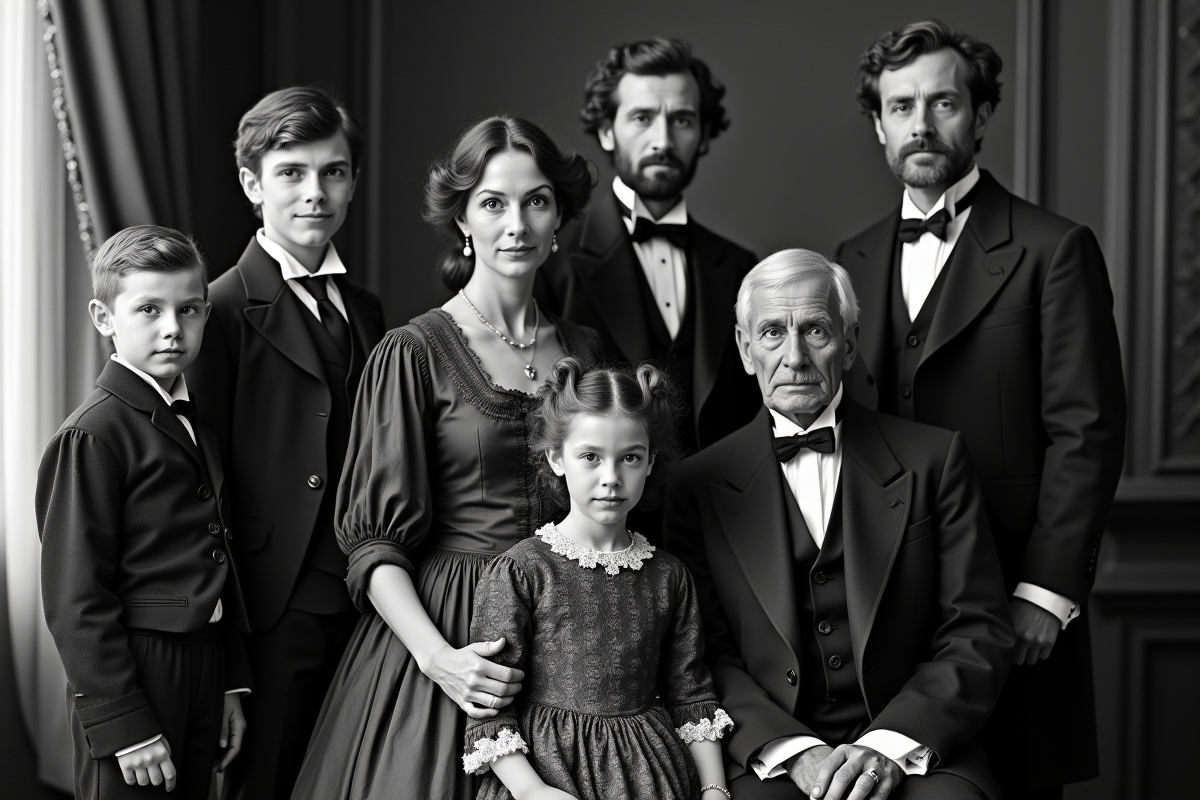
Modern Dynasties and Their Impact on Contemporary Society
Modern dynasties continue to play a central role in the economic and cultural life of France. The Rothschilds, for example, embody the archetype of the influential family in the banking sector. Their international network and ability to finance large projects position them as key players in global finance.
The Arnaults, with the LVMH group, dominate the luxury industry. Their prestigious brands, from Louis Vuitton to Moët & Chandon, are symbols of French elegance. Their acquisition and international expansion strategy demonstrates a rare mastery of global markets.
Influential Families in the Industrial Sector
The Dassaults are a striking example of a family that has managed to establish itself in various sectors, from aerospace to publishing. Their fighter jets and influential newspapers illustrate their presence in strategic areas for the economy and national security.
- Bettencourt: founders of L’Oréal, they transformed a small family business into a global cosmetics giant.
- Pinault: at the head of Kering, they have diversified their portfolio to include iconic fashion brands like Gucci and Saint Laurent.
Cultural Dynasties and Their Influence
Families like the Debrés, a dynasty of doctors and politicians, also show the impact of great families in various fields. Their contributions to French medicine and politics are undeniable.
These dynasties, through their activities and influence, continue to shape contemporary society, illustrating how the past and present intertwine to shape the future of France.