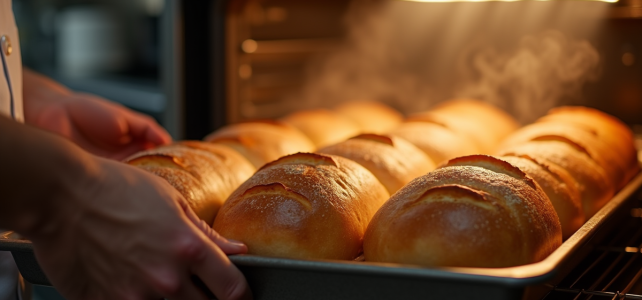
Baking is a fundamental pillar in the culinary arts. Precise control of temperature and time allows for the enhancement of ingredients, from meat to vegetables to pastries. Perfect mastery prevents overcooked or undercooked dishes, ensuring ideal textures and harmonious flavors.
Whether you are an amateur or a professional, understanding the specifics of baking opens up an infinite field of creative possibilities. From the golden crust of fresh bread to the creaminess of a gratin, each dish benefits from a mastered technique that can transform an ordinary meal into a true gastronomic experience.
Understanding the Basics of Baking
Baking encompasses several techniques, each with its specifics. From roasting to en papillote cooking, each method meets particular needs and offers distinct results. To succeed in a dish, be sure to master these techniques and know when to use them.
The Different Baking Techniques
- Roasting: ideal for red meats and poultry, roasting allows food to be seared at high temperatures, creating a flavorful crust while keeping the juices inside.
- En papillote cooking: perfect for fish and vegetables, this technique preserves nutrients and flavors through steam cooking in a sealed package.
- Low-temperature cooking: this method ensures even and tender cooking, particularly suited for meats and stews.
Temperature Management
A fundamental aspect of baking lies in the precise adjustment of temperature. For example, to achieve even and flavorful cooking, set your oven to Thermostat 6. This setting, corresponding to about 180°C, is often used for dishes like gratins and roasts.
Choosing the Cooking Mode
Modern ovens offer various cooking modes:
- Convection heat: allows for even heat distribution, ideal for cooking multiple dishes simultaneously.
- Traditional heat: useful for recipes requiring more intense heat from the bottom of the oven, like pies.
Mastering these different aspects will allow you to succeed in your dishes with precision and consistency worthy of the greatest chefs. 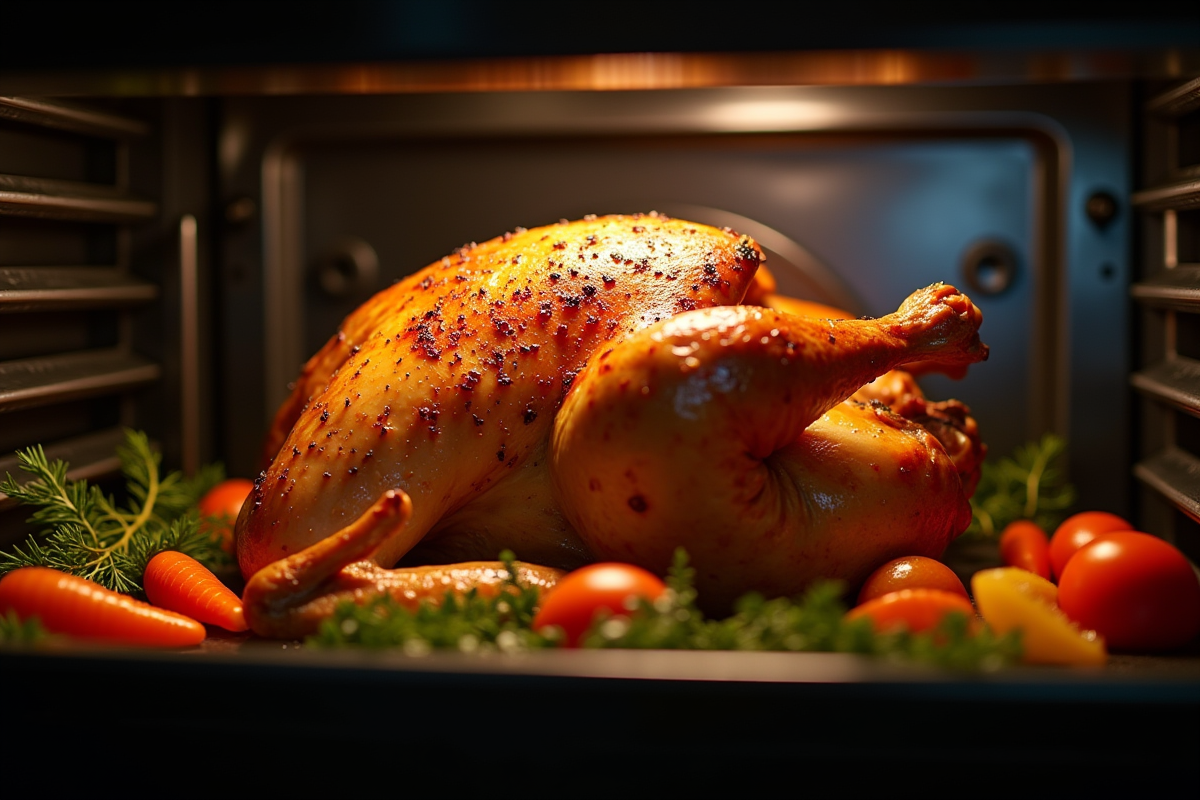
Techniques and Tips for Perfect Baking
Mastering baking relies on proven techniques and simple tips to apply. To achieve optimal results, start by choosing the cooking method suitable for your ingredients. Roasting is particularly suitable for red meats and poultry, while en papillote cooking is ideal for fish and vegetables.
Temperature Regulation
Precise temperature management is fundamental to successfully preparing your dishes. Use an oven thermometer to ensure that the internal temperature matches that indicated by the thermostat. For delicate cooking, such as white meats and fish, prefer a lower temperature and a longer cooking time.
- Low-temperature cooking: ideal for stews and tender meats.
- Convection heat: ensures even heat distribution, essential for pastries.
Using Different Cooking Modes
Modern ovens offer several cooking modes, each with its specifics. Convection heat allows for even and quick cooking, while traditional heat is recommended for dishes requiring intense heat, like gratins and pies.
| Cooking Mode | Usage |
|---|---|
| Convection heat | Even cooking of multiple dishes simultaneously |
| Traditional heat | Dishes requiring high heat, like pies |
Tips for Successful Baking
To prevent your dishes from drying out, use cooking methods that retain moisture, such as en papillote cooking. Also, adjust the positioning of the racks in the oven: place them in the center for even cooking and at the top or bottom for browning or gratinating.
These techniques and tips, applied rigorously, will allow you to master baking and enhance your dishes, whether they are simple recipes or more sophisticated meals.