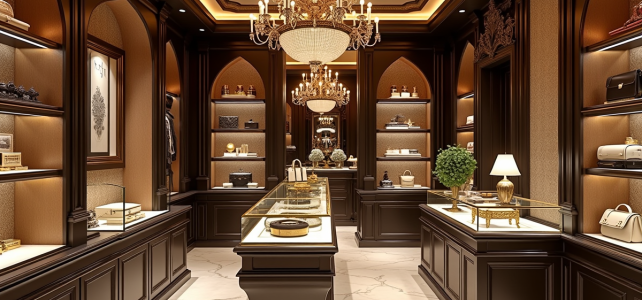
France, the cradle of refinement and elegance, is home to some of the most influential figures in the luxury industry. Names like Bernard Arnault, François-Henri Pinault, and the Wertheimer family shine on the international stage, shaping trends and dictating the standards of high-end products.
French brands such as Louis Vuitton, Chanel, and Hermès continue to captivate a global clientele in search of exclusivity and prestige. These luxury dynasties, thanks to their vision and expertise, dominate a market where tradition and innovation meet to create timeless objects of desire.
The Iconic Figures of French Luxury
The world of French luxury is dominated by personalities whose names are synonymous with prestige and success. Bernard Arnault, at the helm of LVMH, the largest luxury group in the world, embodies this supremacy. The earnings of Bernard Arnault are a constant topic of interest, reflecting the enormity of his empire. His fortune, estimated at several billion euros, makes him one of the richest men in the world.
Françoise Bettencourt Meyers, heiress of L’Oréal, also stands out. Although her fortune has fluctuated with the markets, she remains a central figure in the sector. Coming from the founding dynasty of the cosmetics giant, her influence extends far beyond French borders.
François Pinault, founder of the Kering group, continues to leave his mark on the luxury industry with iconic brands like Gucci and Saint Laurent. His acquisition and development strategy has transformed Kering into an essential player, competing with the biggest names.
- Bernard Arnault – Founder of LVMH
- Françoise Bettencourt Meyers – Heiress of L’Oréal
- François Pinault – Founder of Kering
Brothers Alain and Gérard Wertheimer, co-owners of Chanel, perpetuate the legacy of the legendary fashion house. Their discreet yet effective management has preserved the aura and exclusivity of the brand, ensuring its continued growth.
Emmanuel Besnier, at the head of the Lactalis group, although less publicized, represents another face of French excellence. His rigorous management has allowed Lactalis to become the global leader in dairy products, illustrating the diversity of fields where French fortunes excel.

Global Domination Strategies
The French fortunes that dominate the luxury world rely on diversified strategies to establish their supremacy. LVMH, under the leadership of Bernard Arnault, has adopted an aggressive acquisition policy. The luxury giant has integrated iconic brands such as Louis Vuitton, Dior, and Moët & Chandon, thereby strengthening its portfolio. This strategy allows the group to benefit from operational synergy and risk diversification.
François Pinault, founder of Kering, has taken a different approach by focusing on the strategic redeployment of iconic brands like Gucci and Saint Laurent. The repositioning of brands and the emphasis on innovation have allowed Kering to compete with the biggest names. The group has also invested in sustainable development, responding to a growing consumer demand for more responsible products.
Investments in Innovation and Sustainable Development
French luxury groups do not just preserve their heritage; they constantly innovate. Hermès, for example, recorded a growth of 18%, thanks to a strategy focused on craftsmanship and innovation. The group has also invested in cutting-edge technologies to improve its production processes while maintaining high-quality standards.
- Strategic Acquisitions – LVMH
- Brand Repositioning – Kering
- Innovation and Craftsmanship – Hermès
L’Oréal, under the leadership of Françoise Bettencourt Meyers, has diversified its portfolio by investing in start-ups and cutting-edge technologies. This has allowed the group to adapt to new market trends, particularly in organic cosmetics and personalized products. This continuous innovation strategy enables L’Oréal to remain competitive against international rivals.
The global domination strategies of these luxury giants rely on targeted acquisitions, strategic brand repositioning, and a strong culture of innovation. These diversified approaches allow them to maintain a leading position on the global stage while responding to the changing expectations of consumers.